Loading treatment…
Compounded — not FDA-approvedPrescription only
Compounded Hormone Replacement Therapy (initial visit)
Compounded — form and dose set by your provider
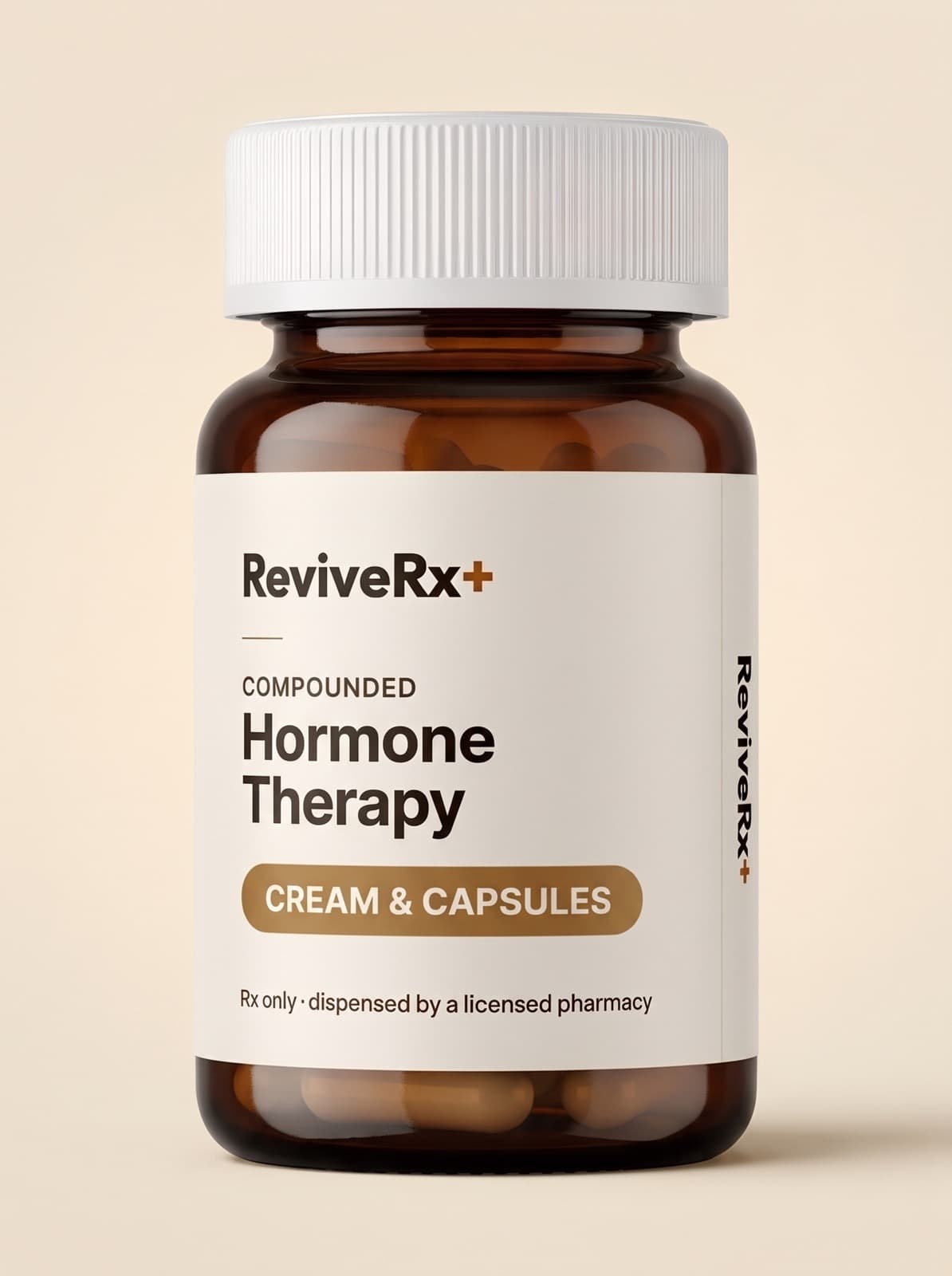
Pharmacy-prepared estradiol, progesterone and, where your provider chooses, DHEA — the hormones of menopausal therapy, compounded to your prescription and shipped after an initial visit that needs no lab work, if prescribed.
Compounded hormone therapy is prepared for you by a licensed 503A compounding pharmacy and is not FDA-approved. It uses the active ingredients of FDA-approved brand-name and generic products but is not those products, and the FDA has not reviewed it for safety, effectiveness or quality.
From$219$32 consultation included, not refunded · medication and shipping if prescribed
Choose your plan
One-time
Price
$219for this supply, if prescribed
Includes your $32 provider consultation (non-refundable). If your provider decides treatment isn’t appropriate, the medication portion is refunded automatically.
- Your provider confirms the dose. If they start you on a lower step, we refund the difference; if they choose a higher one within the same plan, the price you paid stands.
Adding to cart books a provider visit. You pay the shown total; the provider decides; the medication portion comes back automatically if they say no.
Questions
Will I definitely be prescribed this?
No. A consultation does not guarantee a prescription. A licensed provider reviews your symptoms, your history and your risk factors at the visit and decides whether hormone therapy — and which hormones, in which form — is appropriate for you. If they decline, the medication portion of what you paid is refunded automatically; the consultation fee is not.
What will the pharmacy actually prepare?
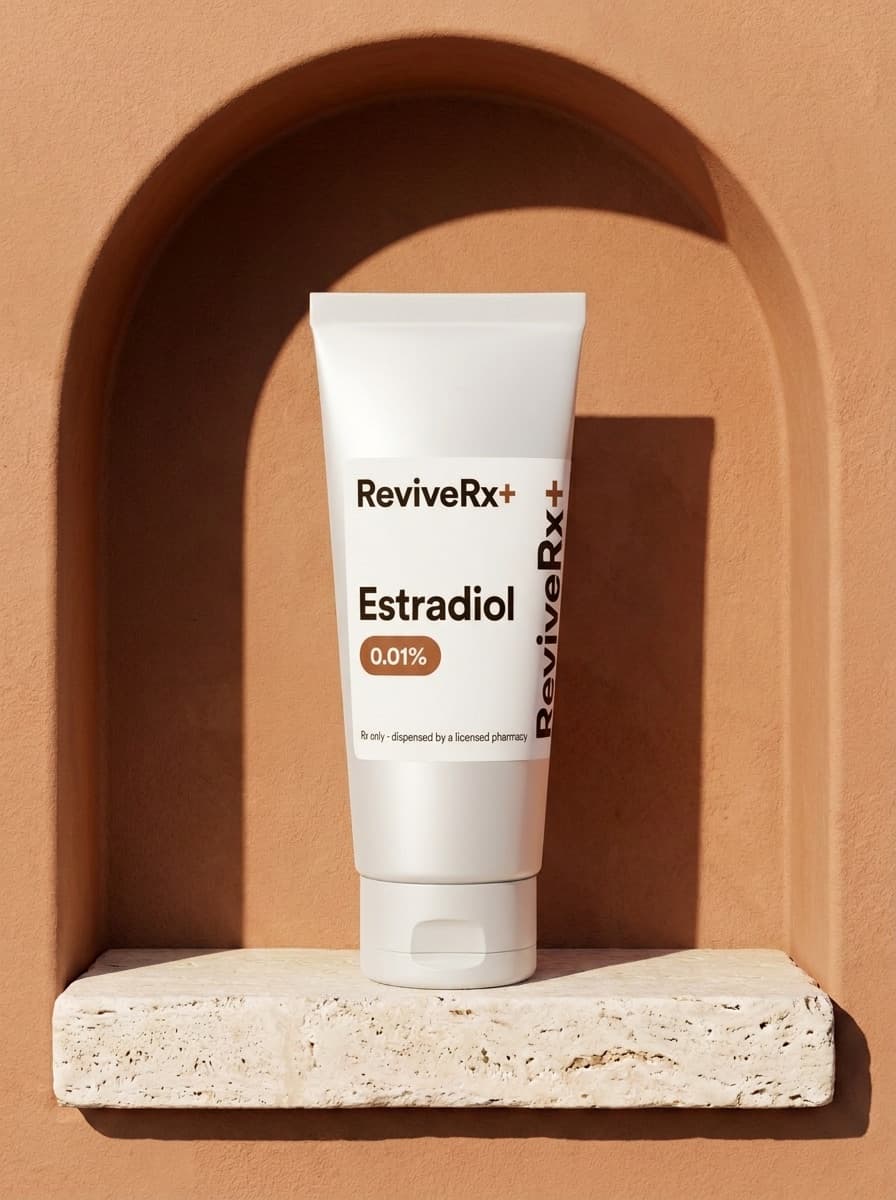
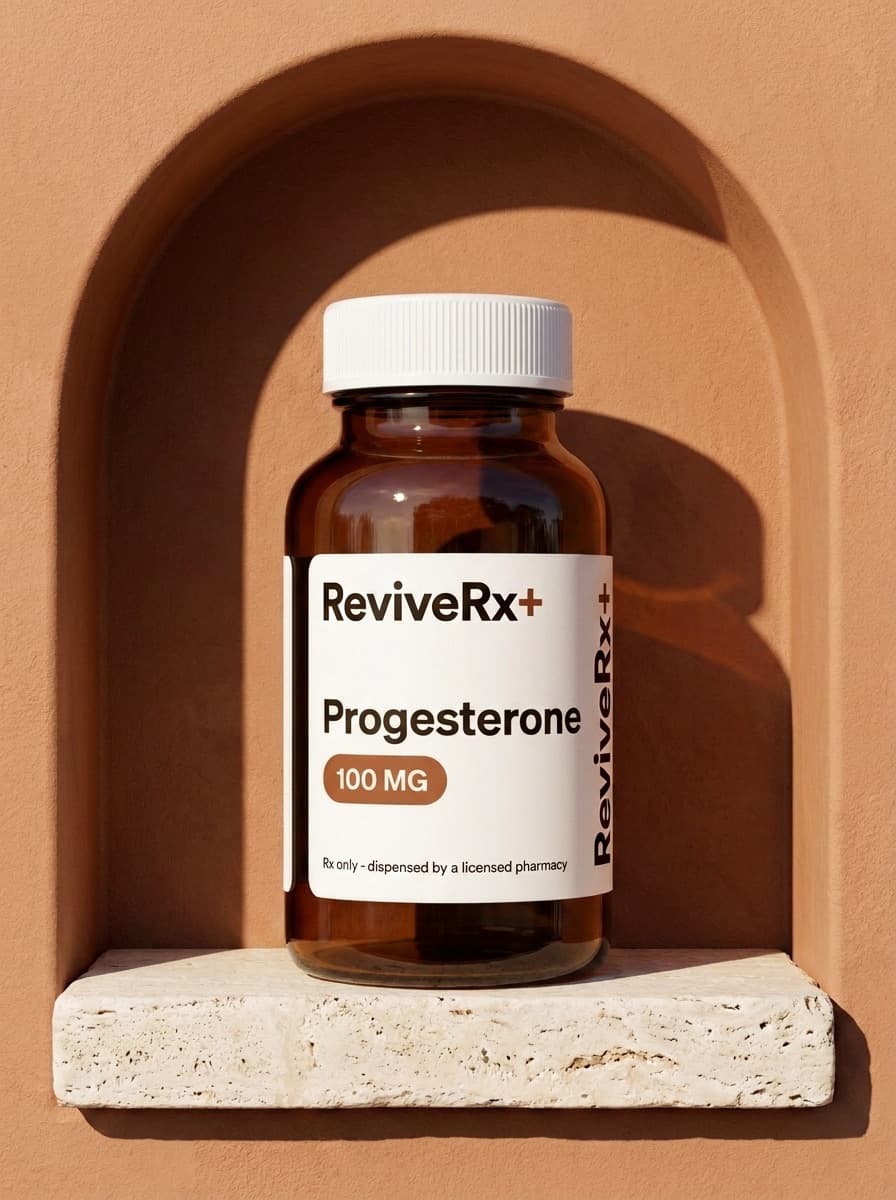
Your provider chooses from the pharmacy's order set: estradiol, the body-identical estrogen; micronized progesterone, usually as a bedtime capsule, for anyone with a uterus; and DHEA, which a provider may add where your symptoms and history call for it. Compounded hormones are commonly made as a cream applied to the skin or as an oral capsule — the strength and the form are the provider's decision, made on your history at the visit.
Is this FDA-approved?
No. Compounded drugs are not FDA-approved — the FDA does not review them for safety, effectiveness or quality before they are dispensed. Each hormone is the active ingredient of an approved medication, prepared for you by a licensed compounding pharmacy to your provider's prescription.
Why compounded, rather than an approved product from the pharmacy?
The molecules are the same. A compounding pharmacy can prepare them in a strength, a form or a combination that no manufacturer packages, and that is the whole argument — flexibility for the patient in front of the provider, not effectiveness. The Menopause Society's 2022 position statement says approved products should be used where they meet the need and reserves compounded hormones for cases where they do not — an allergy to an ingredient, a dose or a form nobody makes. Your provider will tell you if an approved product is the right answer for you.
Do I need lab work?
Not for this visit. For most women with clear menopausal symptoms the diagnosis is clinical, and the initial exam requires no lab work. The follow-up visit is different: it requires recent lab work uploaded before a refill is reviewed, and the care team sends the order when you are ready. Your provider can also order labs sooner where your history calls for it.
I heard hormone therapy causes breast cancer. Is that true?
The 2002 study that created that headline has been substantially re-read since: the risk picture depends on the hormones used, your age, and how long you take them. For many women within ten years of menopause, major menopause societies now judge the benefits to outweigh the risks. Your provider's job is to place you on that map honestly.
How it works
Menopause is the ovaries winding down estradiol production, and most of the symptoms — hot flashes, night sweats, broken sleep, mood changes, vaginal dryness — follow from that fall. Hormone therapy replaces estradiol at the lowest dose that controls symptoms; given through the skin rather than by mouth it bypasses the liver's first pass, which is why transdermal forms are associated with a lower clot risk than the older oral regimens in observational studies. Anyone with a uterus takes progesterone alongside it, because estrogen on its own thickens the uterine lining and, over time, raises endometrial cancer risk; micronized progesterone keeps the lining thin, and taken at bedtime its metabolites act on the brain's own calming receptors, which is why drowsiness is listed as a side effect and often experienced as a feature. DHEA (dehydroepiandrosterone; prasterone in its approved form) is a precursor the body converts into small amounts of estrogens and androgens, and a provider may add it for vaginal symptoms or where your history suggests it. A compounding pharmacy prepares these hormones to your provider's prescription — the molecules are the ones in the approved products; the strength and the form are set for you. The honest caveat: the approved products carry the trial evidence, a compounded preparation has not been tested as a product, and your provider may decide an approved product is the right answer for you.
The full mechanismWhat the trials found
Published results, with what each was measured against.
These results come from trials of the FDA-approved product named in each citation. The compounded preparation on this page is not that product, was not studied in these trials, and has not been reviewed by the FDA for safety, effectiveness or quality.
About 75% fewer weekly hot flashes on estrogen therapy
vs placebo
A Cochrane review of 24 randomised trials of oral estrogen, with or without a progestogen, found hot flash frequency fell by about three-quarters relative to placebo, and severity fell with it. The trials tested approved oral products — not compounded preparations, and not the cream or transdermal forms a provider may choose here.
MacLennan et al., Cochrane Database of Systematic Reviews, 2004
Trial averages describe a study population, not a prediction for you. Your provider will be direct about what is realistic given your history — and results depend on continuing treatment.
A provider may consider it if
- Hot flashes, night sweats or broken sleep in perimenopause or menopause, and you want the decision made on your actual history rather than a decades-old headline
- You are within roughly ten years of menopause onset, where the evidence for benefit is strongest
- You have tried an approved product and need a strength, form or ingredient it does not come in — the case for compounding, and one your provider will want to hear
- You can come back for the follow-up visit, which needs lab work before any refill
It won’t be prescribed if
- Vaginal bleeding that has not been diagnosed — bleeding after menopause needs an in-person examination before any hormone is prescribed
- A history of blood clots (deep vein thrombosis or pulmonary embolism), stroke or heart attack — estrogen raises clot risk, and this is a hard stop without specialist involvement
- A history of breast cancer, endometrial (uterine) cancer or any other estrogen-dependent cancer
- Pregnancy, possible pregnancy or breastfeeding — hormone therapy is not for anyone who may be pregnant
- Significant liver disease
- Anyone with a uterus who wants estrogen without progesterone — the provider pairs them, because unopposed estrogen raises endometrial cancer risk
These are the same checks your provider runs in the visit. If one applies, they will tell you plainly — and the medication portion of what you paid comes back automatically.
What to expect
Weeks 1–4
Hot flashes and night sweats typically begin to ease within the first weeks. Breast tenderness, bloating or spotting early on is common and usually settles; drowsiness after a bedtime progesterone dose is expected.
Months 2–3
Dose review — the goal is the lowest dose that controls symptoms, revisited rather than set-and-forgotten. This initial visit needed no lab work; the follow-up visit does. Before a refill is reviewed, the care team sends a lab order for a hormone blood panel and you upload the results — message them when your first supply is running low.
Ongoing
An annual conversation about whether continuing still makes sense for you — the honest answer changes with age and history.
Safety
Side effects, before you decide
Breast tenderness, bloating, nausea, headaches and spotting or irregular bleeding are the common early ones, and usually settle. Progesterone taken at night causes drowsiness and sometimes dizziness — take it at bedtime. A cream can irritate the skin where it is applied and can transfer to a partner or child through skin contact, so wash your hands and cover the area. DHEA can cause oily skin, acne or unwanted hair growth. The serious risks — blood clots, stroke, gallbladder disease, and breast cancer risk with long-term combined therapy — are real and depend on dose, route, age and history. New or heavy vaginal bleeding, chest pain, a swollen painful leg, a sudden severe headache or a change in vision means stop and seek care.
- FDA prescribing information (DailyMed): Estrace (estradiol tablets) — initial US approval 1975; Estraderm (estradiol transdermal system) — 1986
- FDA prescribing information (DailyMed): Prometrium (progesterone capsules, micronized) — initial US approval 1998
- FDA prescribing information (DailyMed): Intrarosa (prasterone vaginal insert) — initial US approval 2016
- The Menopause Society 2022 hormone therapy position statement
- MacLennan et al., Oral oestrogen and combined oestrogen/progestogen therapy versus placebo for hot flushes, Cochrane Database of Systematic Reviews, 2004
Complete safety information is provided during your visit and with every prescription. This page is a summary, not a substitute for your provider's advice.
Also for women's health
See whether compounded hormone replacement therapy (initial visit) is right for you.
A licensed provider reviews your visit and decides. You receive medication only if prescribed, and that portion of your payment is refunded automatically if they say no.