Loading treatment…
Compounded — not FDA-approvedPrescription only
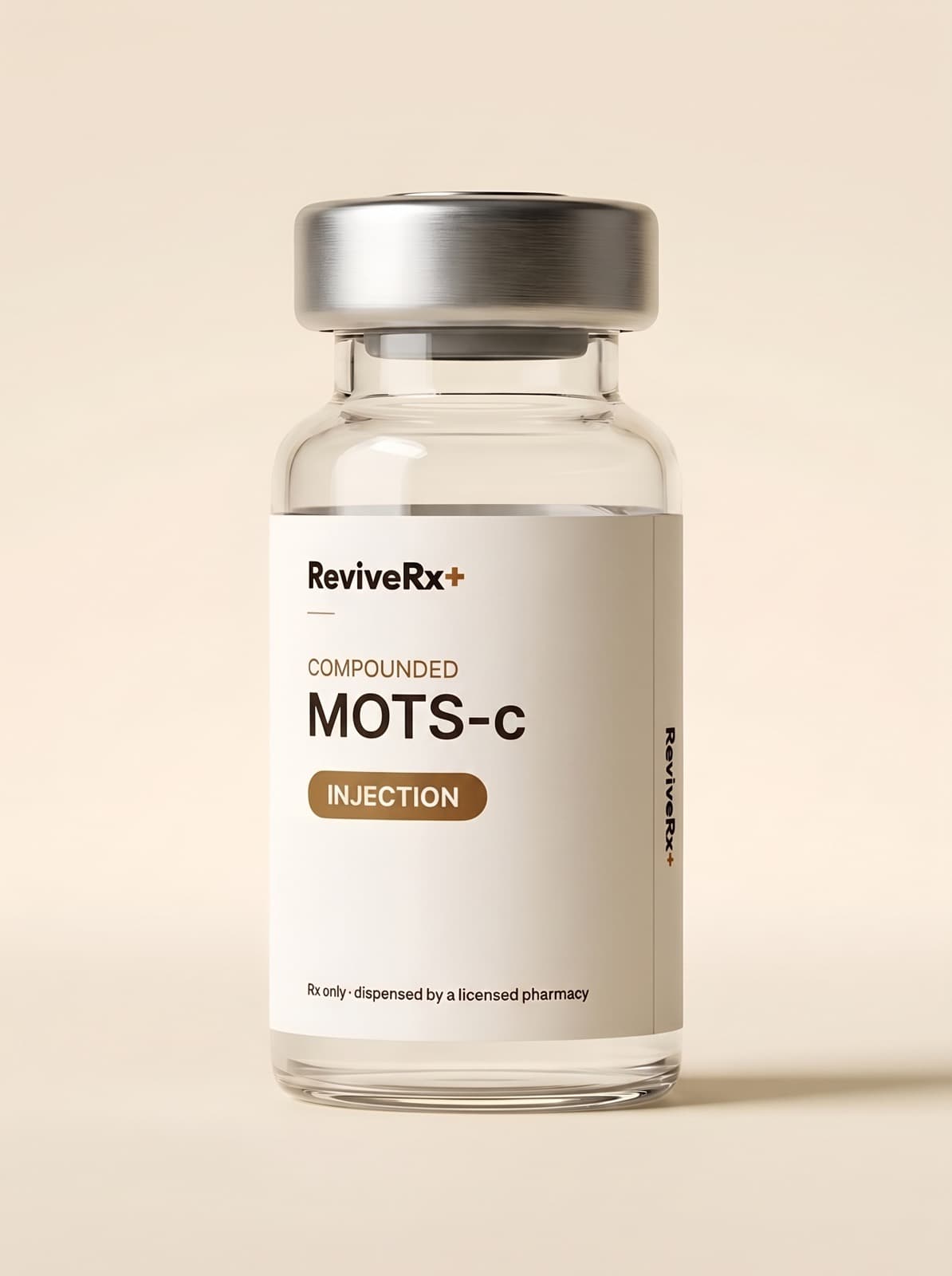
Compounded MOTS-c
Compounded — self-administered injection
A compounded injection of a 16-amino-acid peptide encoded in mitochondrial DNA, studied in mice for insulin sensitivity and exercise capacity. Human data is observational; a provider decides whether it fits.
MOTS-c is not an FDA-approved drug and is not currently on FDA's list of substances that may be used in compounding. FDA's advisory committee voted for its inclusion on 2026-07-23; that vote is a recommendation and rulemaking is pending, so its status may change and this treatment may be withdrawn. Your provider decides whether it is appropriate for you.
From$239/mo$32 consultation included, not refunded · medication and shipping if prescribed
Choose your plan
4-week supply
Price
$239for a 4-week supply, if prescribed
Includes your $32 provider consultation (non-refundable). If your provider decides treatment isn’t appropriate, the medication portion is refunded automatically.
- Your provider confirms the dose. If they start you on a lower step, we refund the difference; if they choose a higher one within the same plan, the price you paid stands.
Adding to cart books a provider visit. You pay the shown total; the provider decides; the medication portion comes back automatically if they say no.
Questions
Will I definitely be prescribed this?
No. A consultation does not guarantee a prescription. A licensed provider reviews your history at the visit and decides whether this is appropriate for you; because the substance is not on FDA's list for compounding and the human data is thin, many providers will reasonably decline. If they decline, the medication portion of what you paid is refunded automatically; the consultation fee is not.
Is this FDA-approved?
No. Compounded drugs are not FDA-approved, and MOTS-c is not the active ingredient of any approved product either. In July 2026 FDA's advisory committee voted, narrowly, to recommend adding it to the list of substances pharmacies may compound; that is a recommendation, FDA's own staff had advised against it, and until FDA finishes its rulemaking MOTS-c is not on the list.
Could this be withdrawn?
Yes. Its regulatory status can change at any time: FDA's advisory committee vote is a recommendation, FDA's own rulemaking decides the list, a state pharmacy board can act on its own, and our partner pharmacy can stop preparing it. If any of that happens we stop offering it, tell you, and refund the medication portion of any order the pharmacy can no longer fill.
Will it help me lose weight?
Nobody knows. In mice it prevented the weight gain a high-fat diet normally causes; in people it has never been tested for weight at all, and we will not advertise a mouse result as if it were yours. If weight is the goal, the medications in our Weight Loss section have human trial data behind them.
Why is a peptide from mitochondria interesting at all?
Because mitochondria were thought to make energy, not signals. MOTS-c showed that the mitochondrial genome encodes a peptide that travels to the nucleus and changes how muscle handles fuel — a real discovery in cell biology. Being interesting in a dish and being useful in a person are different questions, and only the first has been answered.
How it works
MOTS-c is a short peptide encoded not in the cell's nucleus but in the mitochondrial genome — one of a small family of mitochondrial-derived peptides discovered in the last two decades. In the 2015 work that identified it, MOTS-c acted on skeletal muscle by inhibiting the folate cycle and purine synthesis, which activates AMPK, the enzyme that switches cells toward burning fuel; mice given it were protected from the insulin resistance and weight gain that a high-fat diet normally causes. A 2021 study found that exercise raises the body's own MOTS-c in human muscle and blood, and that giving it to old mice improved their physical capacity. That is the whole evidence base: elegant mouse biology plus the observation that people make more of it when they exercise. No randomised trial of MOTS-c injections in people has been published, so nobody can tell you what it does for your metabolism, your weight or your fitness — a provider who prescribes it is working from mechanism, not from outcomes.
The full mechanismA provider may consider it if
- Metabolic health and exercise capacity are your goals, you are already training and eating well, and you want to add something a provider can supervise
- You are comfortable with subcutaneous self-injection after instruction
- You understand that the human data is observational and that this is an experiment with a provider, not an established treatment
It won’t be prescribed if
- Active cancer, or a history of it, without your oncologist involved — a peptide that reprograms cell metabolism has not been studied near tumours in people
- Pregnancy, breastfeeding or trying to conceive
- Diabetes treated with insulin or sulfonylureas, without your prescriber involved — its effect on glucose handling is the whole point of the animal research and is uncharacterised in people
- Anyone looking for a weight-loss medication — the Weight Loss section holds the medications with trial evidence, and this is not one of them
- Under 18
These are the same checks your provider runs in the visit. If one applies, they will tell you plainly — and the medication portion of what you paid comes back automatically.
What to expect
Weeks 1–4
Injection-site redness or tenderness is the common early experience. Some people report flushing or transient fatigue after a dose.
Months 2–3
Human outcome data is limited — there is no trial to tell you what to expect by month three, so your provider will ask what you notice and check bloodwork rather than promise a timeline.
Ongoing
Reviewed at check-ins like any prescription. If FDA's rulemaking or a pharmacy board changes its status we stop offering it and tell you.
Safety
Side effects, before you decide
Injection-site redness, tenderness, itching or bruising are the common ones. Flushing, headache, nausea and fatigue are reported by people using peptides in this class. Because no controlled human trial has been published, the true rate of anything — including effects on blood sugar, which is the mechanism it works through in animals — is unknown. Human outcome data is limited, and long-term safety data does not exist.
- Lee C, Zeng J, Drew BG, et al. Cell Metab 2015;21(3):443–454 — the discovery paper: MOTS-c, a mitochondrial-encoded peptide, activates AMPK in skeletal muscle and prevents diet-induced obesity and insulin resistance in mice
- Reynolds JC, Lai RW, Woodhead JST, et al. Nat Commun 2021;12:470 — exercise induces MOTS-c in human muscle and circulation; late-life treatment improved physical capacity in aged mice
- Zheng Y, Wei Z, Wang T. Front Endocrinol 2023;14:1120533 — review of MOTS-c biology and its status as a therapeutic candidate
Complete safety information is provided during your visit and with every prescription. This page is a summary, not a substitute for your provider's advice.
Also for peptides
 Compounded CJC-1295 / Ipamorelin
From$199/mo$32 consultation included, not refunded · medication and shipping if prescribed
 Compounded Tesamorelin / Ipamorelin
 Compounded MOTS-c / Tesamorelin
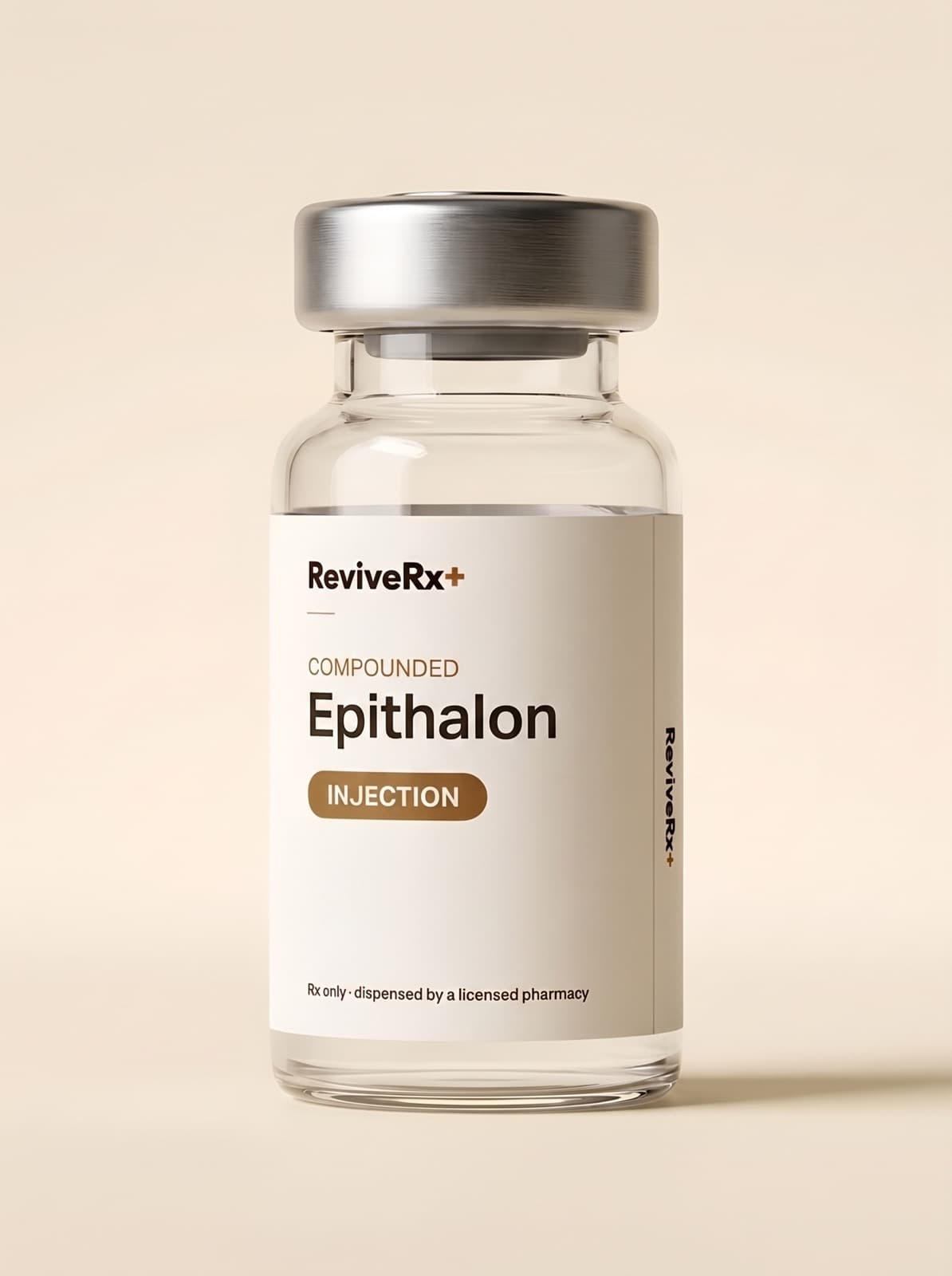 Compounded Epithalon
From$349/12 wk$32 consultation included, not refunded · medication and shipping if prescribed
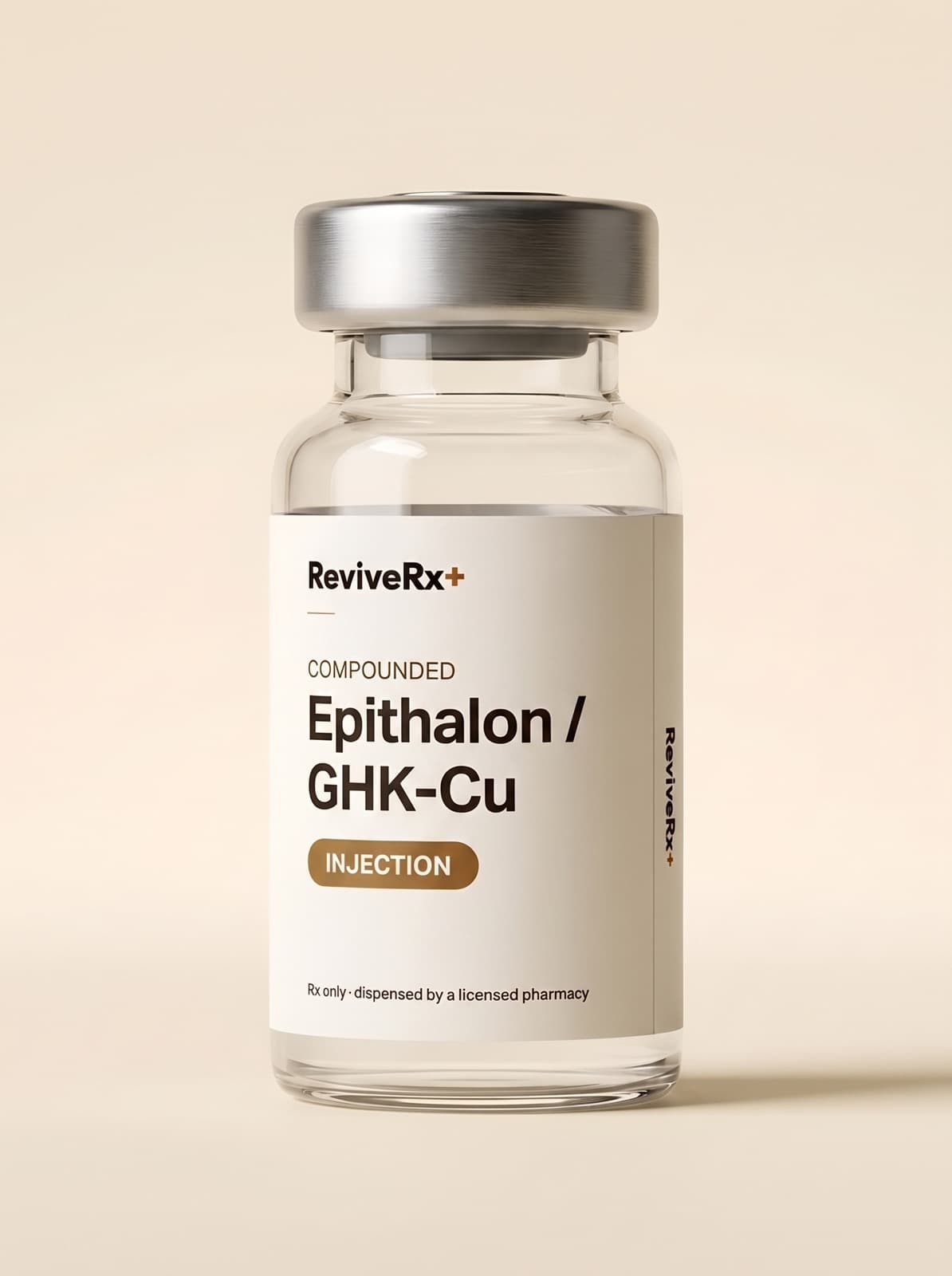 Compounded Epithalon / GHK-Cu
From$219/mo$32 consultation included, not refunded · medication and shipping if prescribed
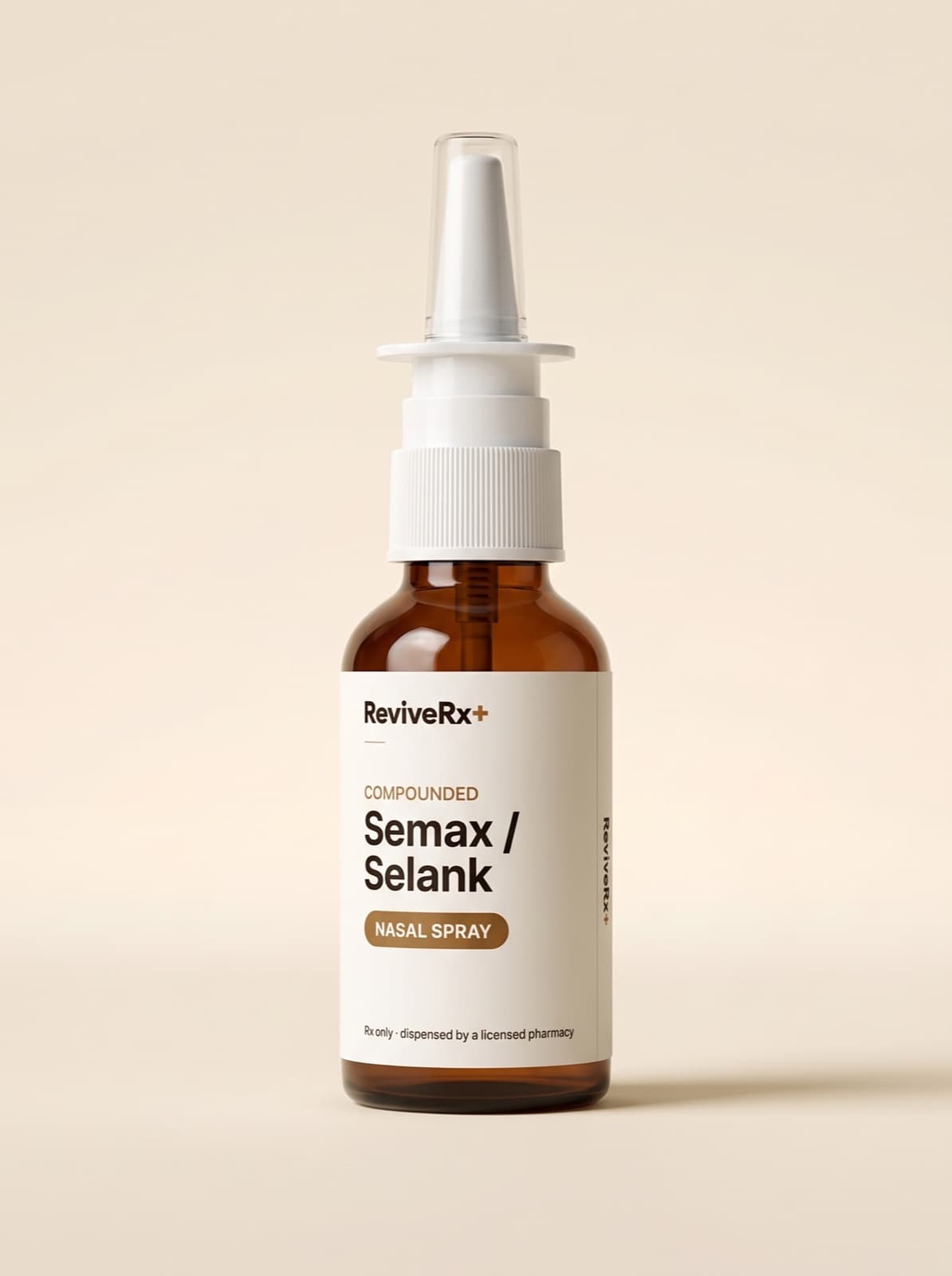 Compounded Semax / Selank
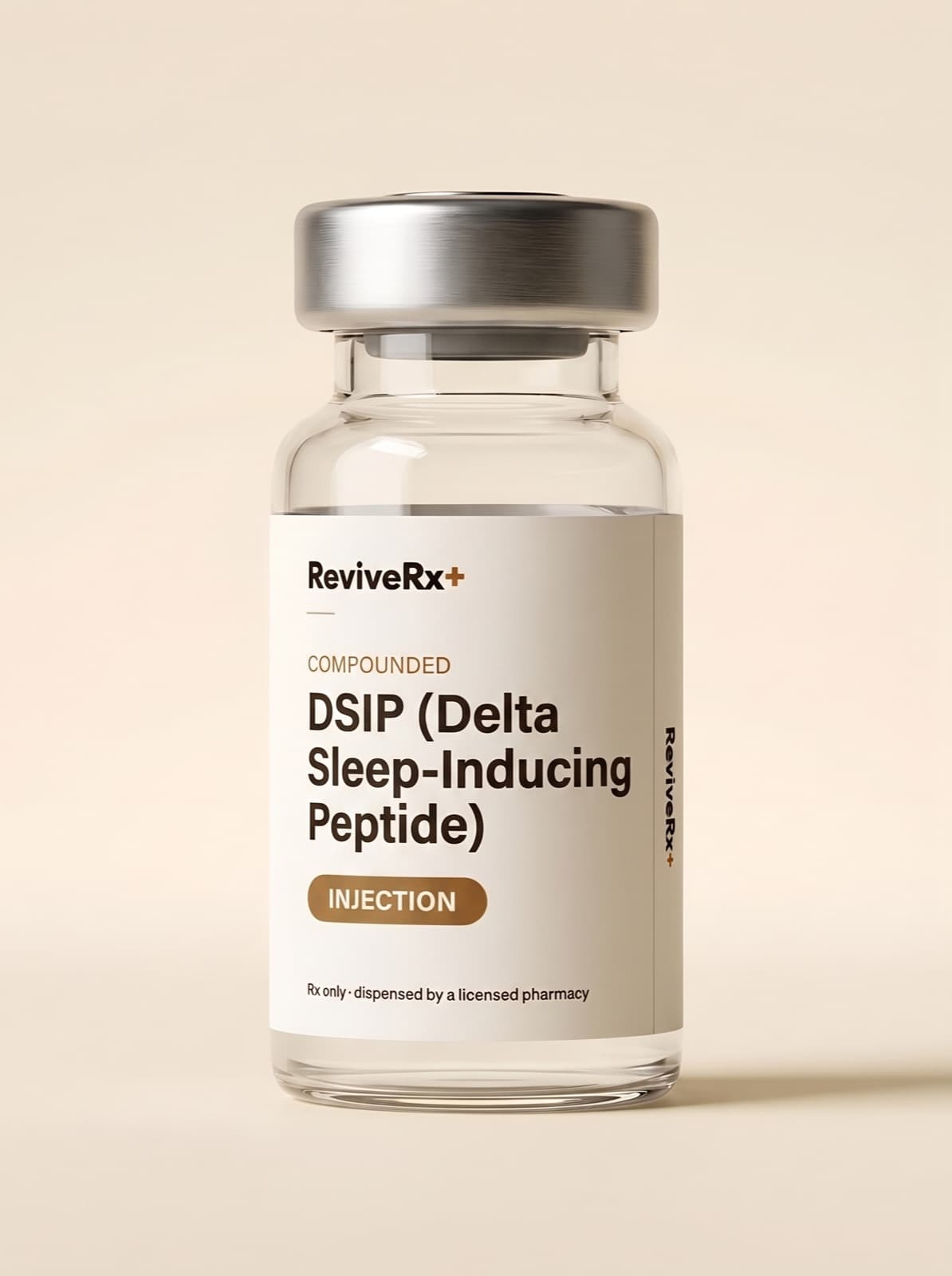 Compounded DSIP (Delta Sleep-Inducing Peptide)
 Compounded Thymosin Alpha-1
 Compounded Pinealon / PE-22-28 / Selank
See whether compounded mots-c is right for you.
A licensed provider reviews your visit and decides. You receive medication only if prescribed, and that portion of your payment is refunded automatically if they say no.